Nyerere National Park, Africa’s largest national park, stands as a beacon of untamed wilderness in southern Tanzania. Spanning over 30,000 square kilometers (approximately 11,583 square miles), the park was carved from the historic Selous Game Reserve in 2019 and renamed in honor of Mwalimu Julius Kambarage Nyerere, Tanzania’s first president.
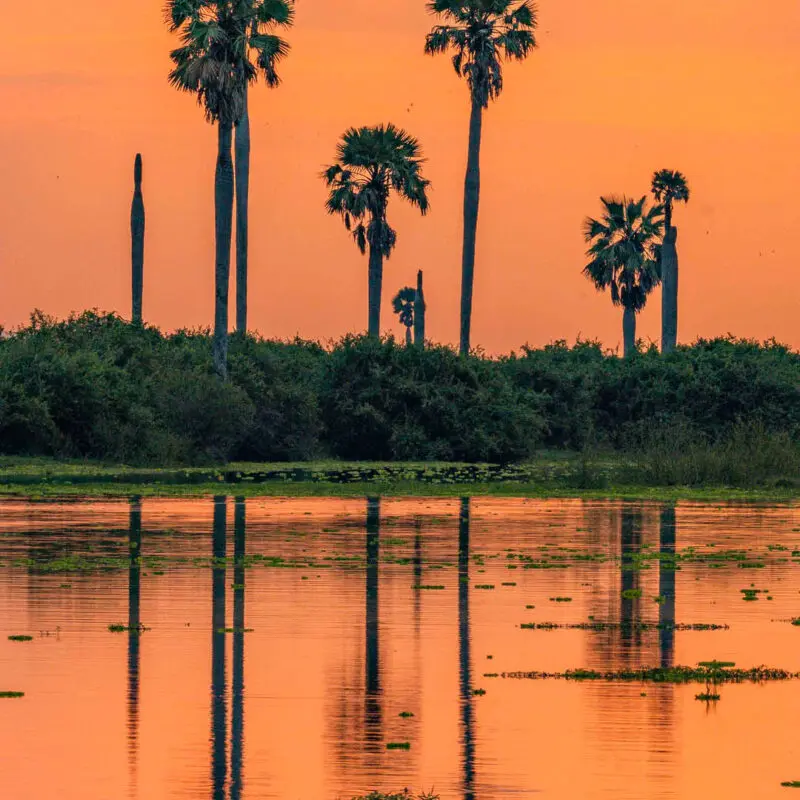
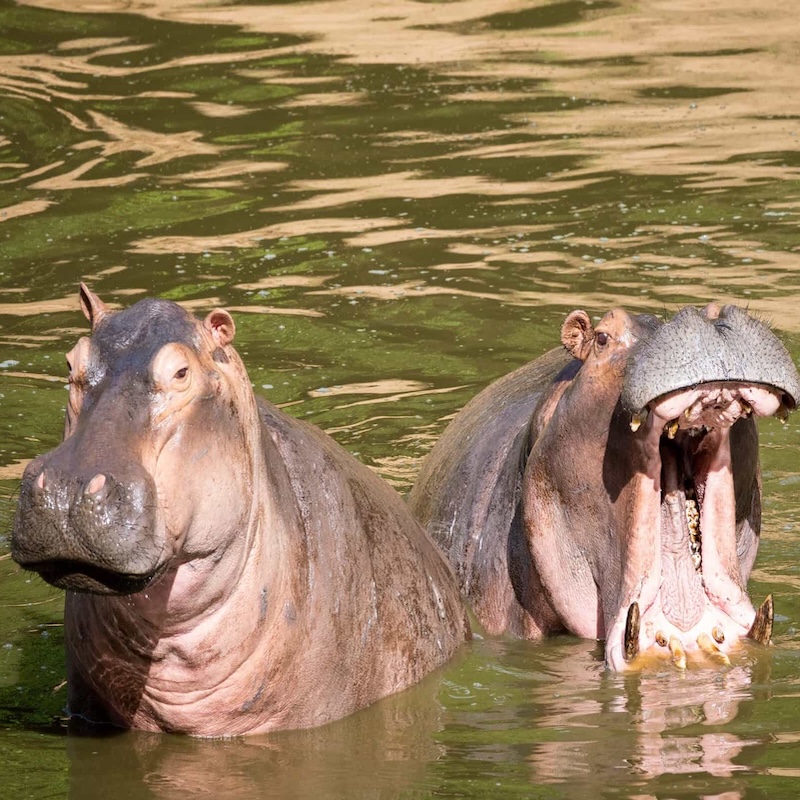
This UNESCO World Heritage Site boasts exceptional biodiversity, with vast landscapes ranging from grassy plains and miombo woodlands to riverine forests, swamps, lakes, and the mighty Rufiji River system—the heart of the park’s ecological richness.
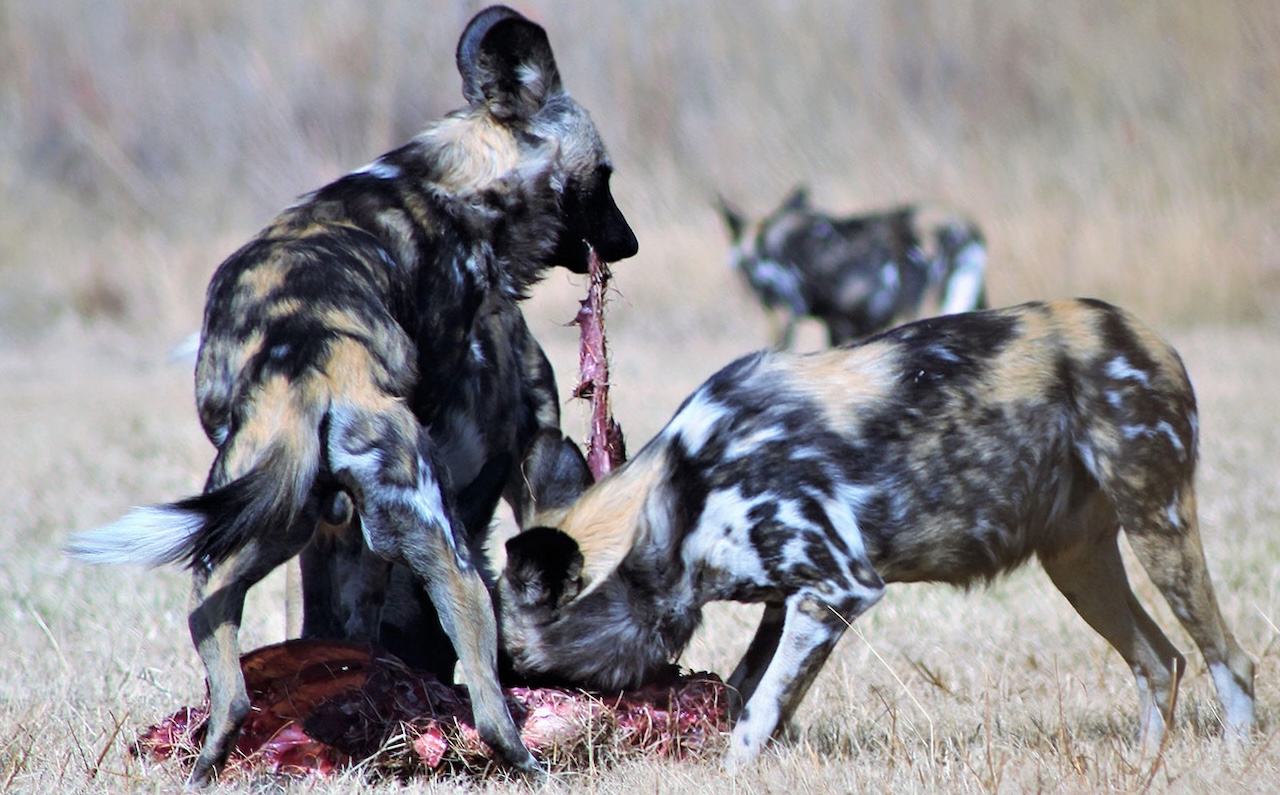
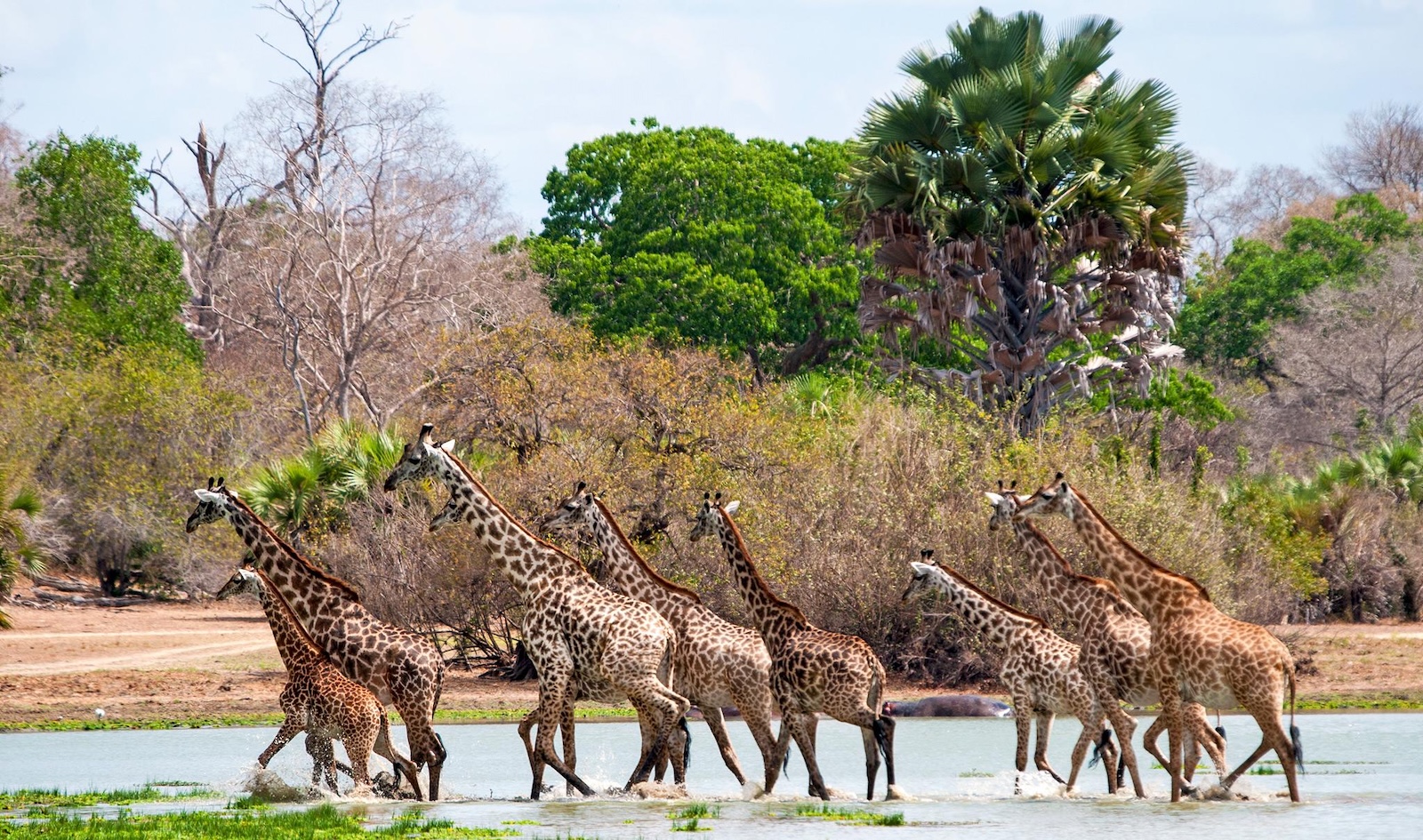
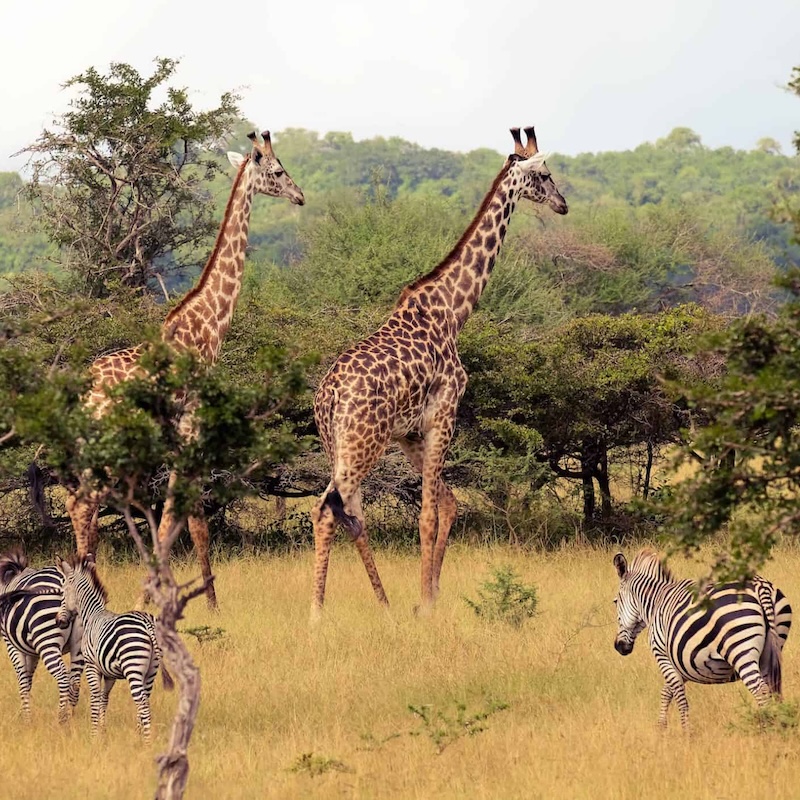
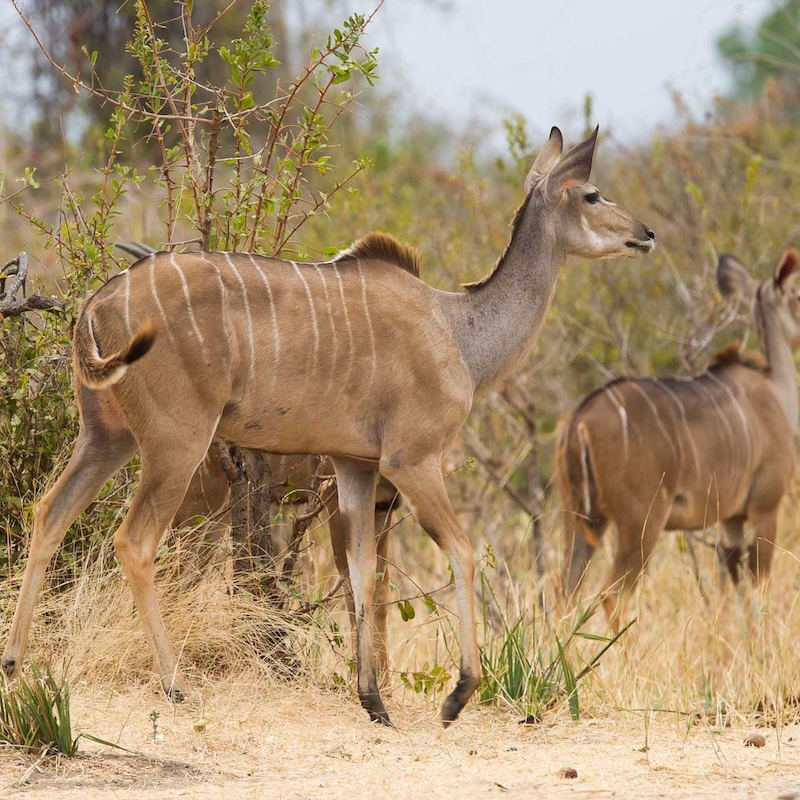
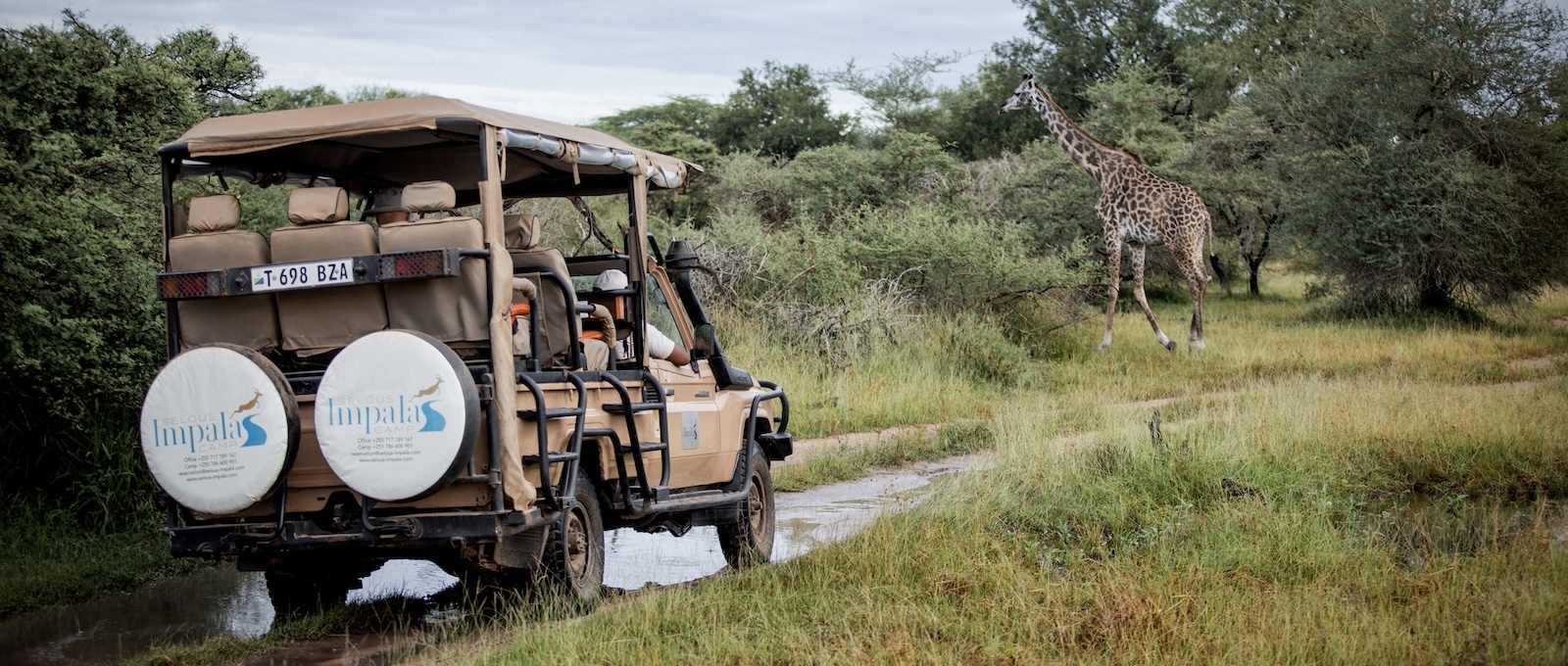
Unlike the crowded northern parks like Serengeti and Ngorongoro Crater, Nyerere offers a remote, crowd-free safari experience, making it ideal for adventurers seeking authenticity and solitude. Whether you’re spotting the Big Five, enjoying a night game drive or gliding along the Rufiji on a boat safari, this park delivers unparalleled wildlife encounters in one of East Africa’s most pristine environments.
 The origins of Nyerere National Park trace back to 1896, when the area was established as a series of protected reserves under German colonial rule. It evolved into the Selous Game Reserve in 1922, named after British explorer and conservationist Frederick Courteney Selous, who was killed there during World War I.