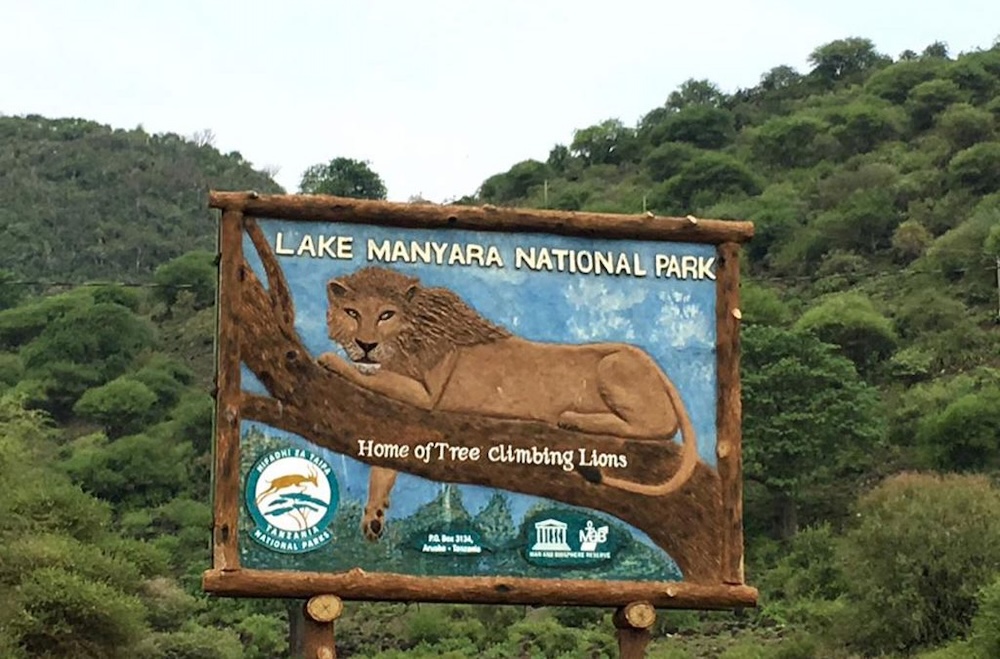
As a local Tanzanian tour operator with over 15 years crafting personalized safaris, we at Safari Desire know Lake Manyara National Park‘s magic firsthand. Nestled in northern Tanzania between Arusha and the Ngorongoro Crater, this compact gem packs dramatic diversity into 330 sq km—alkaline lakes, groundwater forests, and Rift Valley escarpment views that are awe inspiring.

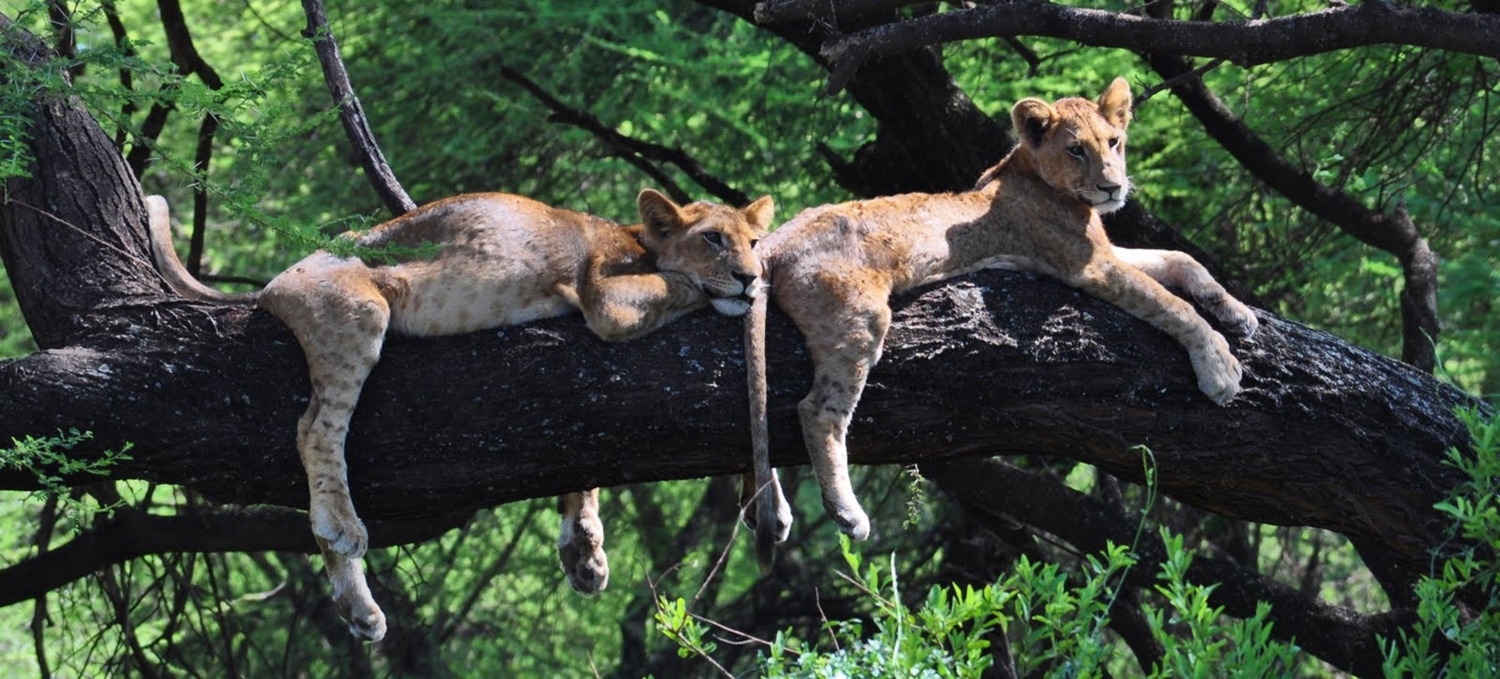
Lake Manyara National Park is famous for tree-climbing lions and flamingo flocks, it’s an affordable entry to Tanzania’s Northern Circuit, often combined with Tarangire or Serengeti for budget-friendly multi-park trips. Lake Manyara is an excellent starting point for safaris in the Greater Northern Circuit and a convenient stopover to break down driving distances between key locations in your Northern Tanzania itinerary.

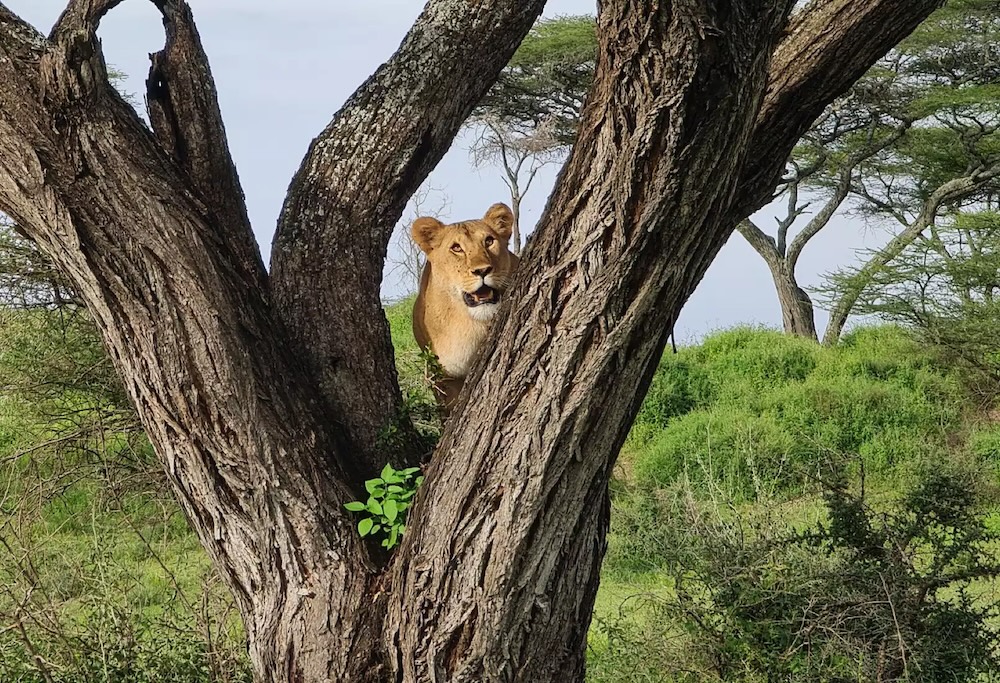
Our guides, like veteran Gabriel, share insider tips: “Manyara’s lions perch in acacias to escape flies—spot them at dawn for the best photos.”

With 1,200+ TripAdvisor reviews averaging 4.5/5 as at October 2025, visitors praise its “stunning diversity in a small area” and “value for money.”

Whether you’re a family seeking kid-friendly safari game drives, walking safaris, night game drives, Canopy walks, Ziplining or a birder chasing 400+ species, Lake Manyara delivers unforgettable safaris at a cheap price.
Quick Facts about Lake Manyara National Park

  • Location: Northern Tanzania, 126 km from Arusha, between Tarangire and Ngorongoro Crater.
  • Size: 330 sq km total, with the soda lake covering ~220 sq km and land mass ~110 sq km.
  • Famous For: Tree-climbing lions, flamingo flocks, and diverse habitats from forests to lakes.
  • Best Time: June-October (dry season for wildlife viewing); November-May (green season for birding).
  • Activities: Game drives, birdwatching (400+ species), seasonal canoeing, canopy walks, walking safaris, night fame drives, cycling, and cultural tours.
  • Entrance Fees: Adults $50 USD (peak, +18% VAT = ~$59 total); children (5-15) $15 USD (+18% VAT = ~$17.70 total).
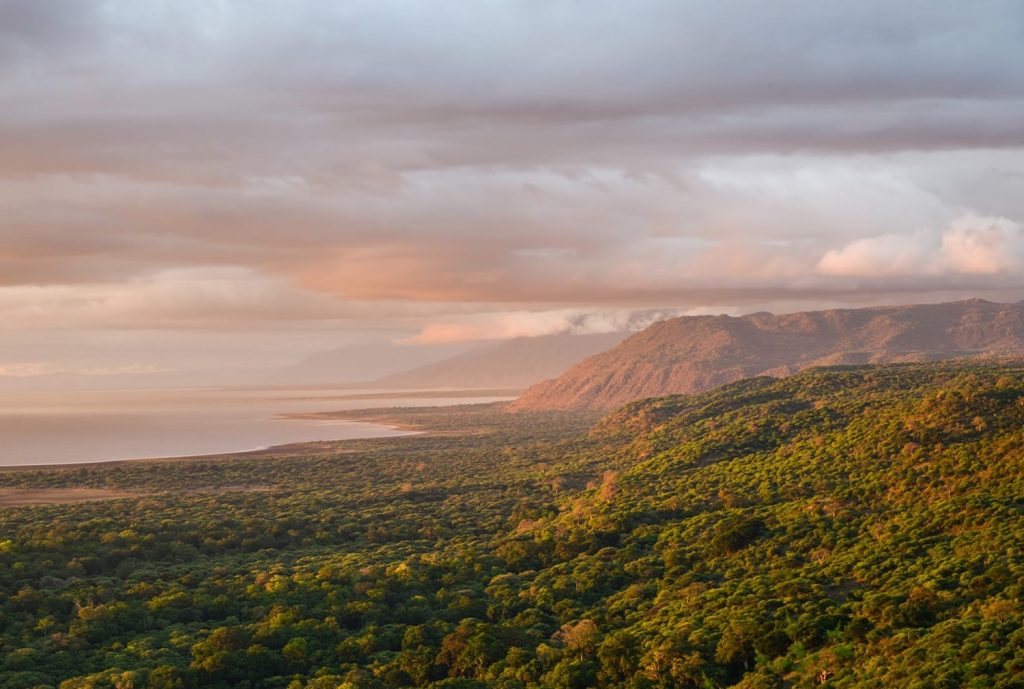
Lake Manyara National Park View

What Makes Lake Manyara Unique

Lake Manyara stands out in Tanzania’s safari scene for its compact yet contrasting landscapes, squeezed between the Rift Valley escarpment and the alkaline lake that covers ~220 sq km.

The park’s groundwater forest—dense acacias and mahogany fed by underground springs—creates a lush oasis, home to monkeys, baboons, and birds in a canopy of green.

The escarpment rises 600m, offering panoramic views of the lake’s shimmering soda waters, often pink with flamingos. Hippo pools bubble in the north, while southern open plains host grazing herds.

Unlike vast Serengeti, Manyara’s diversity unfolds in a single day—our guests love the “mini-ecosystem” feel, with 2025 reviews noting “escarpment overlooks rival Ngorongoro.”

As Safari Desire’s lead guide Charles shares, “Manyara’s forest hides surprises like blue monkeys—perfect for short, rewarding drives.”

This unique blend makes it an affordable add-on to longer Northern Circuit safaris, with hot springs and cultural Maasai visits adding depth tour unforgetable Tanzania adventure. Get in touch with our experienced safari curators for free advice and tour customization to enjoy this amazing small gem of a park; Lake Manyara National Park.

Lake Manyara National Park’s Wildlife Highlights

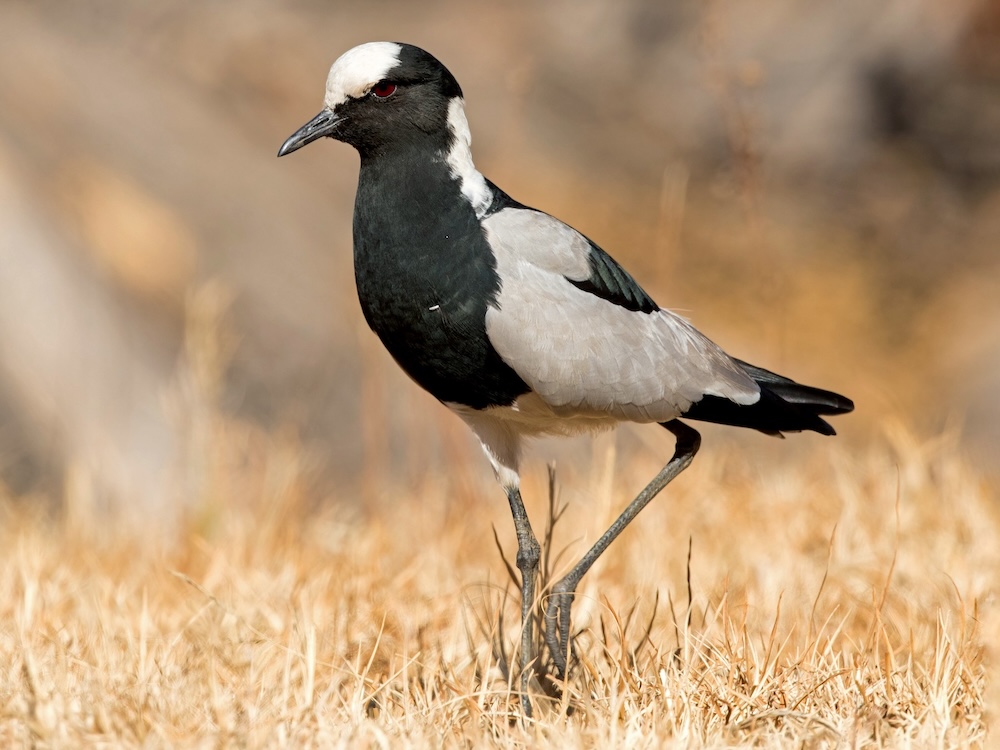
Lake Manyara biodiversity shines in its compact space, hosting over 400 bird species and iconic mammals.

Tree-climbing lions—unique to Manyara and Ishasha in Uganda—perch in acacias to escape insects or spot prey; our guides spot them in 80% of dry-season drives.

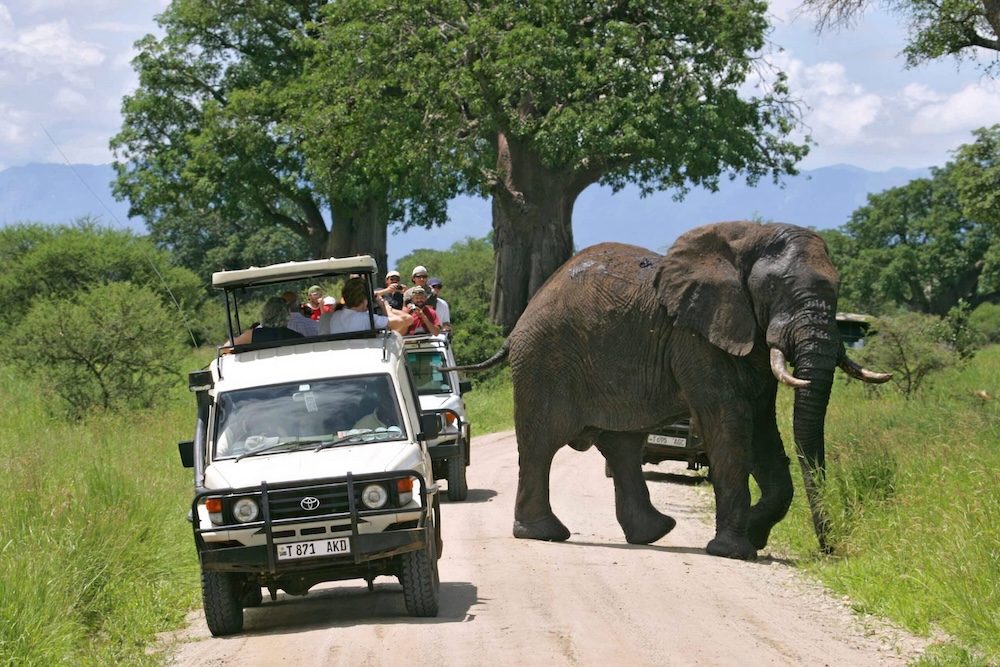
Elephants (hundreds), giraffes, zebras, and buffaloes roam the forests and plains, while hippos wallow in pools. Elephants and indeed other animals tend to migrate between neighbouring Tarangire thorugh the Kwa Kuchinja willdife corridor, and Chem Chem a 50,000 Acre private conservancy, home to the Chem Chem and Little Chem Chem luxury properties.

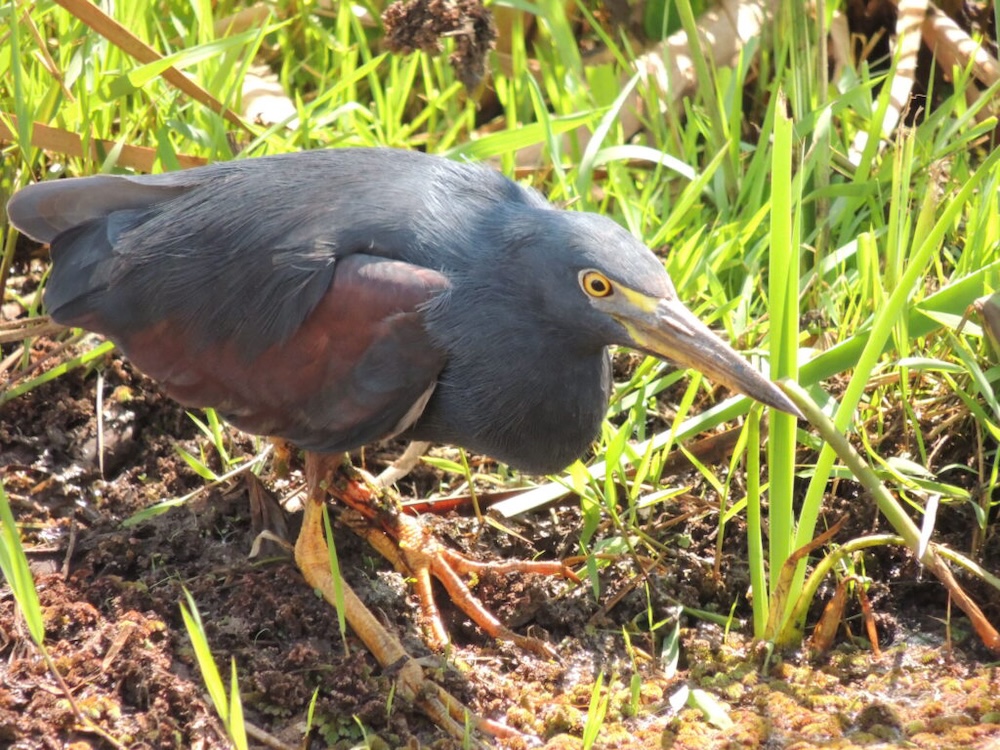
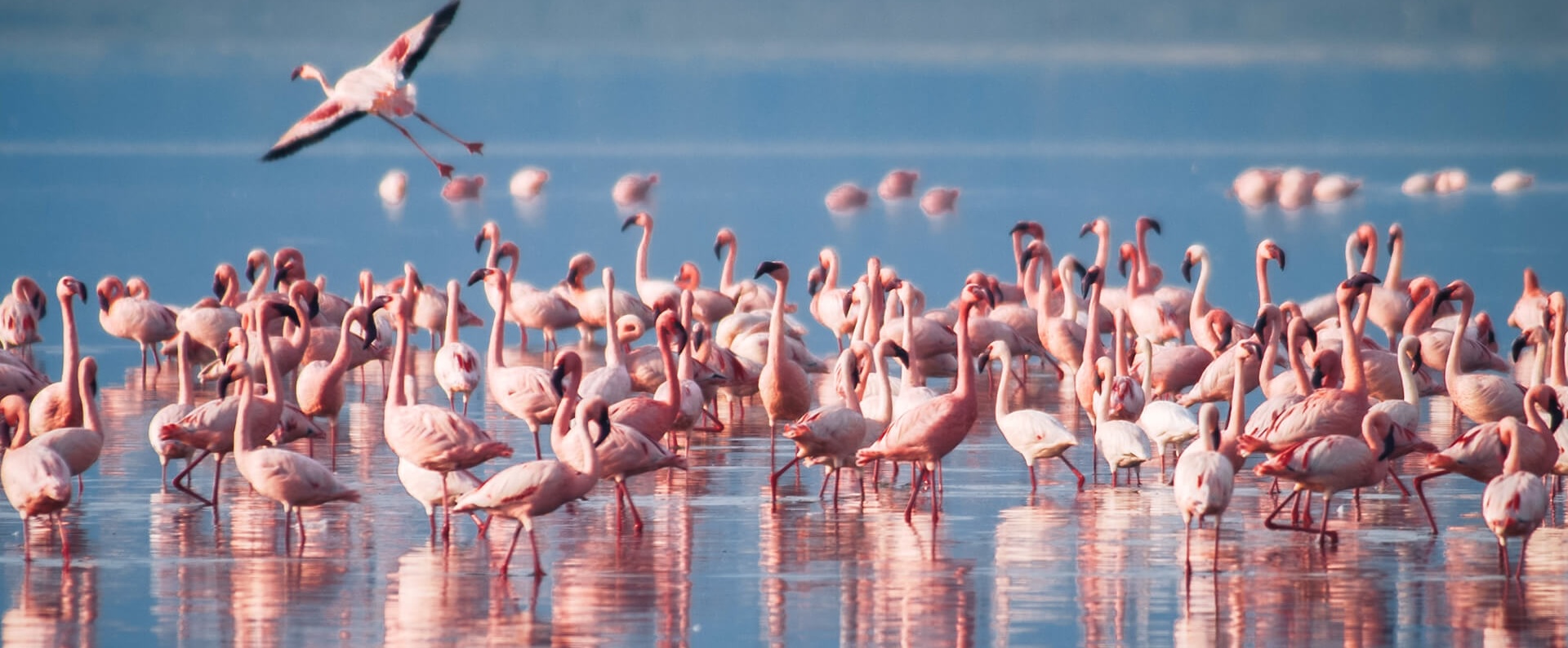
Baboons and blue monkeys chatter in the canopy, and leopards hide in shadows. The lake draws flamingos (up to 2 million in wet season), pelicans, and storks for world-class birding.

Lake Manyara Tree climbing lions

Lake Manyara National Park

Best Time to Visit Lake Manyara

The best time to visit Lake Manyara National Park is during the dry season (June-October) which is prime for wildlife, with animals clustering around shrinking water sources and clear forest paths—expect 25-30°C days and cooler evenings. July-September peaks for lions and elephants, but book early to secure your spot.

Wet season (November-May) transforms Manyara into a green paradise, with flamingos (November-March) and migrant birds; April-May rains make roads muddy but rates drop 30%.

Shoulder months (June/November) offer value, especially when combined in a longer multi-stop itinerary.

Safari Desire recommends dry season for first-timers, wet for birders—pair with Tarangire and Ngorongoro Crater, like in our 3 Days Tanzania Safari from Zanzibar Island.

The Safari Desire Experience


At Safari Desire, our 15+ years of Tanzanian expertise ensure Lake Manyara safaris are personalized and authentic. Our licensed guides, like Gabriel with 20+ years in guiding safari packages including Manyara are your best companions.

We prioritize responsible tourism, supporting TANAPA conservation by adhering to all park’s rules and regulations stictly. Get a free quote for your next safari in Lake Manyara.

Sample Itineraries with Lake Manyara National Park

  • 3-Day Manyara-Ngorongoro-Tarangire from Arusha: From $1,350 pp when travelling two people from Zanzibar. Fly to Arusha ane head to Tarangire by road, before exploring Ngorongoro on the second day, and winding up your adventure at Lake Manyara for lions and flamingos,. Includes full-board lodges, park entry fees, flights and and transfers in Arusha. View Itinerary
  • 7-Day Classic Northern Circuit Adventure: From $2,250 pp, adds Tarangire elephants and Serengeti and Ngorongoro Crater. Manyara on day 1 for birding; perfect for families with optional cycling before heading to Serengeti and then back to Ngorongoro, and wind up at another hidden gem of Northern Tanzania; Tarangire National park which is often overlooked. View Itinerary
Lake Manyara National Park Safaris

Activities at Lake Manyara National Park

Lake Manyara National Park offers a compact yet diverse range of activities, making it ideal for short safaris or as a stopover in the Northern Circuit. As a local Tanzanian tour operator, Safari Desire customizes these experiences through our experienced Tanzania safari Specialists and expert guides.

Activities focus on the park’s unique groundwater forest, soda lake, and escarpment, with options for all ages and budgets. Below are key activities at Lake Manyara National Park and Mto wa Mbu Area at large.

  • Game Drives: The park’s signature activity, conducted in 4×4 vehicles with pop-up roofs for standing views and photography while still protecting you from the African sun. Lake Manyara doesn’t have all the big five because there are no rhinos in the park, but on a lucky day, you may spot all the remaining 4 members of the African Big Five. Look out for the famous treeclimbg lions of Manyara and many other animals large and small alike.
  • Birdwatching: With 400+ species, Manyara is a birder’s paradise, especially along the lake’s edge. Guided walks or drives highlight flamingos (up to 2 million November-March), pelicans, storks, and forest dwellers like hornbills and turacos. Birds can be spotted year-round but peaks in wet season. Look out for stunning pink flamingo clouds for photographers.
  • Seasonal Canoeing: Paddle on the soda lake’s calmer sections (dry season only, June-October) for hippo and bird sightings from water level. Canoeing on Lake Manyara is dependent on water levels. Canoeing on Lake Manyara is mostly done from outside the park to support local communities living around the park.
  • Night Game Drives: Venture into the bush after dark to spot nocturnal animals like leopards, civets, and owls in a spotlight-equipped vehicle. Lake Manyara is one of the few Tanzanian parks permitting this, best June-October for active predators. January to Mid March is also great, before the rains set in.
  • Canopy Walks: Traverse elevated suspension bridges and platforms through the groundwater forest canopy for bird’s-eye views of monkeys and acacias. Canopy walks are popular for families and adrenaline adventure seeking groups.
  • Cycling Safaris: Explore the lake shows of Lake Manyara on guided bike tours, spotting monkeys and birds in the canopy. Bike rides take 2-3 hours on flat paths; eco-friendly and active, popular for families in order to take a break from sitting in a safari jeep. We arrange this with local guides living around Lake Manyara and the greater Mto wa Mbu Area.
  • Walking Safaris: Short guided hikes (ages 12+) in the groundwater forest, led by armed rangers to track animals and plants. Walks take 2-4 hours or more depending on your ability, but booking early is required, in order for us to book a ranger and pay your walking fees which are paid on top of the park entry fees. As at 2025, walking safaris cost USD 20 + 18% VAT per person, plus the ranger fee cost of similar amount but charged oer group of 1 to 4 participants. More participants in a group will lead to booking additional armed rangers for security purposes.
  • Ziplining: Soar over the forest fringes on guided zipline tours, spotting lake views and birds from above. Age requirement is 12+, safety gear included. We arrange these through our partners like Foot On Africa. Book now  your adrenaline rush adventures in Lake Manyara.

Where to Stay in Lake Manyara National Park

Lake Manyara National Park, though compact, offers limited lodging options inside its boundaries—primarily for conservation reasons, to safeguard its diverse ecosystems and rich biodiversity. Most lodges are situated just outside the park, providing stunning views while minimizing ecological impact. While visiting Lake Manyara, you can stay at a lodge inside the park or alternatives situated just outside, or drive a short distance—about 20 minutes—to Karatu in the Ngorongoro Highlands.

As a local Tanzanian tour operator, Safari Desire partners with these properties to create custom packages from Arusha, Zanzibar, or multi-park itineraries, ensuring value-driven stays with stunning lake and escarpment views.

Inside-the-park options provide wilderness immersion, while outside properties deliver panoramic vistas and family amenities.

Rates for nice lodges around Lake Manyara start from $180 pp/night (full board, 2025); book with us for exclusive STO discounts. Below are standout choices:

Inside the Park Lodges

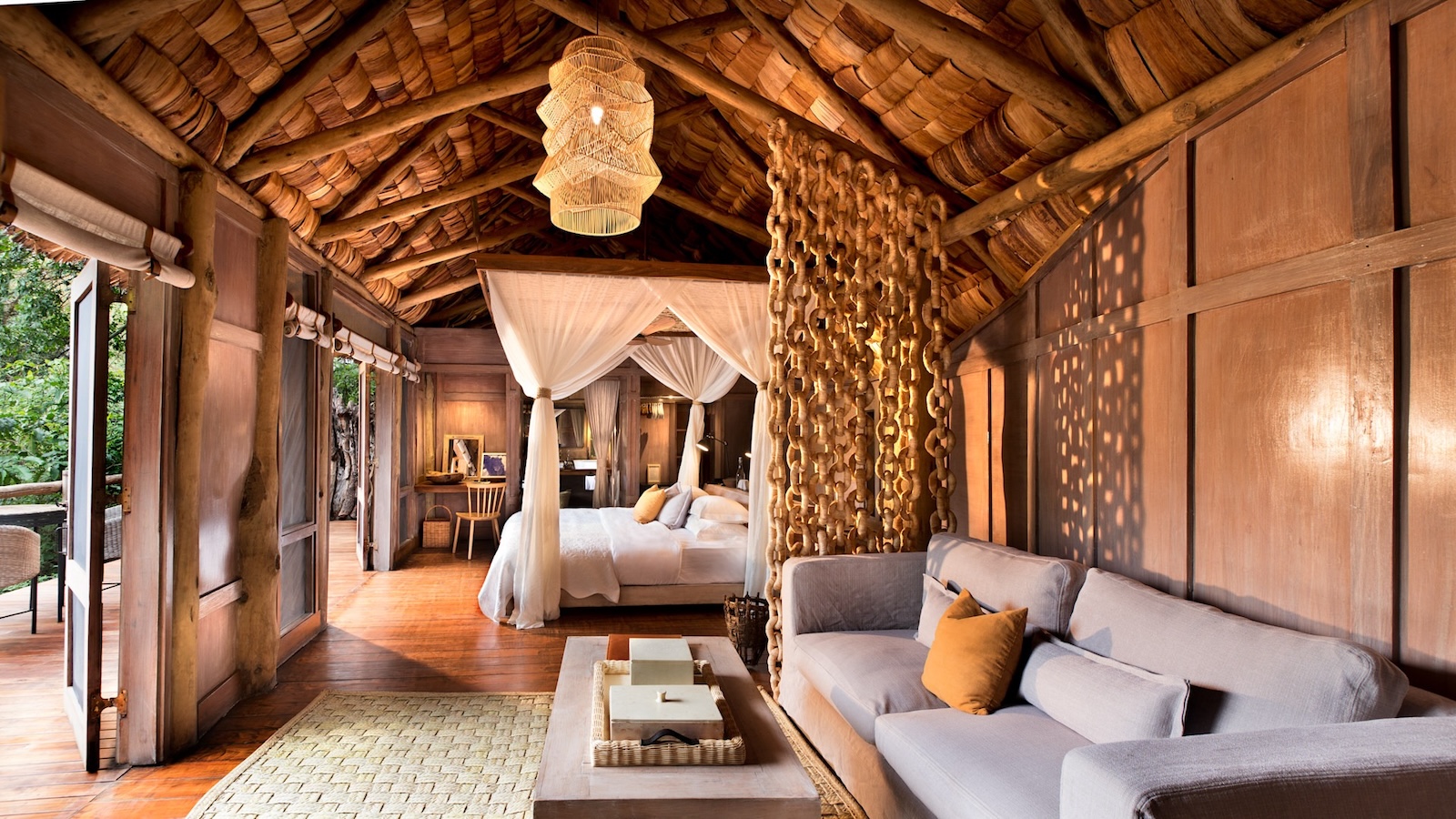
  • andBeyond Lake Manyara Tree Lodge: Situated in a remote mahogany forest corner of the park, this luxury safari lodge features 6 romantic treehouse suites elevated in ancient trees, with private decks overlooking the lake and escarpment. Eco-focused with plunge pools, gourmet dining, and game drives from camp; ideal for couples or birders. Guests praise the “intimate tree-top immersion” (TripAdvisor reviews)
  • Manyara Green Camp: Deep inside the park beneath Endabash Waterfall on a dry riverbed edge, this Wayo Africa Green Safari Camp offers 8 spacious tents on raised decks with solid wooden floors and private verandas. Locally crafted with gauze roofing for stargazing and hot bucket showers; family adventure camp emphasizing tranquility and wildlife sounds (elephants, lions, hyenas). Guests highlight the “immersive bush experience” (TripAdvisor, 4.8/5, 2025, from ~100 reviews.

Outside the Park Lodges with Great Lake Views

  • Escarpment Lodge: A hilltop retreat on the escarpment 10 km from the park gate, with 6 luxury cottages offering sweeping lake and Mount Kilimanjaro views. Boutique eco-luxury with private balconies, spa treatments, and guided walks; ideal for couples or small groups.
  • Lake Manyara Safari Lodge (by Heritage Camps): Escarpment-edge lodge 5 km from the gate, featuring 50 rooms with veranda lake views and a swimming pool. Midrange with game drives and cultural evenings; family-oriented with interconnecting rooms. Check out their
  • Lake Manyara Kilimamoja Lodge: Escarpment property ~10 km from the entrance, with 60 spacious rooms boasting infinity pool and panoramic lake views. Value-luxury with spa, cultural performances, and group facilities; great for conferences or families. Rates: $280+ pp. Guests love the “serene views and attentive service”
  • Monbow Lodge: A nice new lodge located on the escarpment; 8 km from the park gate, offering 20 cottages with panoramic lake views and fireplaces. Relaxed midrange with bush walks and birding; budget-friendly for nature lovers.
  • Jungle Pearl Manyara: Forest-edge camp 15 km from the park, with 10 tents overlooking the lake and escarpment. Eco-focused midrange with guided cycles, picnics, and campfire evenings; adventurous for birders. The lodge and rooms are mainly Maasai culture inspired.
  • Manyara Secrets: Secluded lakeside lodge 12 km from the gate, featuring 8 boutique suites with private lake decks and wellness retreats. Intimate luxury with spa and yoga; perfect for honeymoons. Check out the TripAdvisor reviews.

Top Luxury Lodge in Lake Manyara National Park

Where to Stay in Lake Manyara National park

Lake Manyara’s Frequently Asked Questions

Tree-climbing lions, elephants, giraffes, flamingos, and 400+ birds—dry season is the best time. Four members of the e Big Five can be spotted in Lake Manyara, Elephants, Leopards, Buffaloes, Lions and Elephants. The Rhinos is the missing member but combing Lake Manyara and Ngorongoro Crater increases chances of spotting all the Big 5 quite considerably.

Yes, short drives, kid-friendly lodges, and low crowds make it ideal.  Lake Manyara is only 2 hours drive from Arusha and 2 and a half from Kilimanjaro International Airport making it a great starting point for family safaris in Tanzania.

From 200 pp/day, including fees, meals, and a professional safari guides. The prices depends on the number of people travelling in your jeep so less people in your jeep will mean a higher cost.

Yes, seasonal (dry months); guided tours offer lake views of hippos and birds.

Dry (June-Oct): 25-30°C, clear; Wet (Nov-May): Lush but rainy, with April-May downpours.

Absolutely for its unique tree-climbing lions, many other animals to spot like zebras, giraffes, elephants, impalas among many others. Lake Manyara is also great for birding. It’s a compact, affordable alternative to larger parks like Serengeti, but a complimenting park for longer multi stop safaris.

Neutral colors for drives, layers for cool mornings, hat/sunscreen for sun, and rain jacket for wet season. Read more about what to wear during a safari in Tanzania.

Yes, it’s perfect for 3-5 day circuits or longer. Fits in perfectly with shorter affordable packages if combined with with Tarangire or Ngorongoro for diverse wildlife.

Plan Your Lake Manyara Safari

Book your affordable Lake Manyara safari today! Contact us via WhatsApp or the inquiry form below. #SafariDesire

About the Author:
Lucas Mombo is the founder of Safari Desire, a Tanzania- and Kenya-based safari company he established in 2014 after years of working as a safari consultant since 2008. With over 17 years of experience crafting tailor-made wildlife, cultural adventures and Kilimanjaro Climbing treks, Lucas blends deep local knowledge with a passion for authentic African travel.

Follow real-time safari updates and travel stories on #SafariDesire.